Brown Recluse Spiders in Kansas: Identification, Myths, and Prevention
Quick Answer
Brown recluse spiders are found throughout Kansas and are one of the most commonly misunderstood spiders in the state. While their bites can be serious in rare cases, brown recluse spiders are generally shy, non-aggressive, and prefer to avoid human contact. Learning how to correctly identify them and reduce hiding places around your home can help prevent unwanted encounters.
What Is a Brown Recluse Spider?
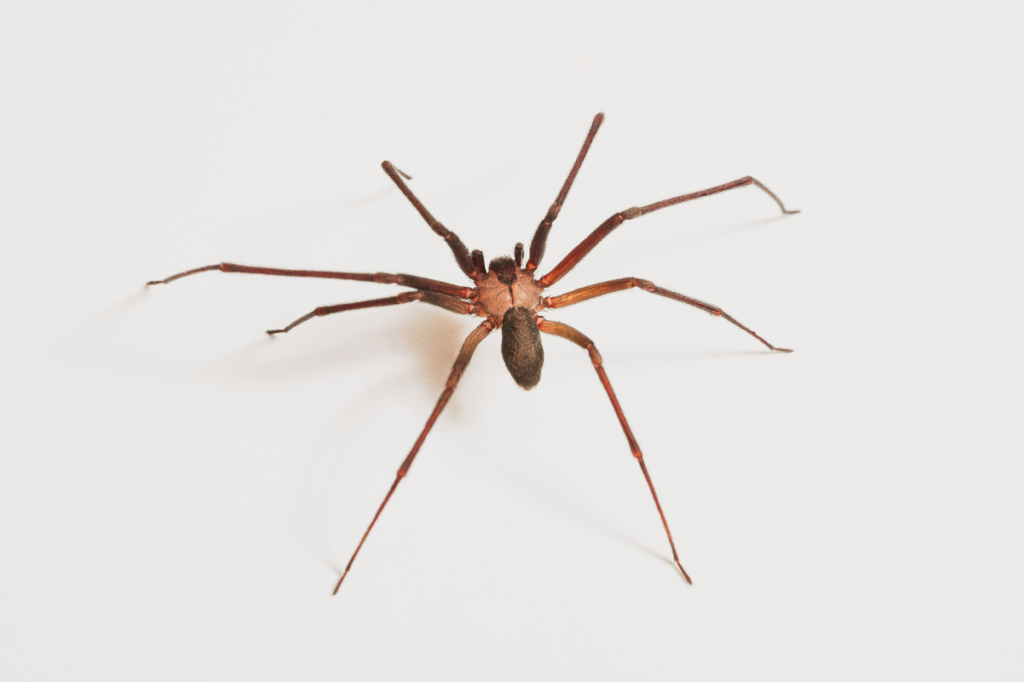
Brown recluse spiders (Loxosceles reclusa) are native to Kansas and much of the central United States. They are typically light to dark brown and are best known for the dark, violin-shaped marking located on the top of their cephalothorax, which is why they’re sometimes called the “fiddleback spider.”
Unlike many other spiders, brown recluse spiders have six eyes arranged in three pairs instead of the typical eight. However, this characteristic is difficult to see without magnification, so homeowners should avoid relying on eye count alone for identification.
Brown recluse spiders are naturally shy and spend most of their time hidden in undisturbed areas rather than actively searching for people.
Where Do Brown Recluse Spiders Hide?
Brown recluse spiders prefer dark, quiet locations where they are unlikely to be disturbed.
Common hiding places include:
- Cardboard boxes
- Storage totes
- Closets
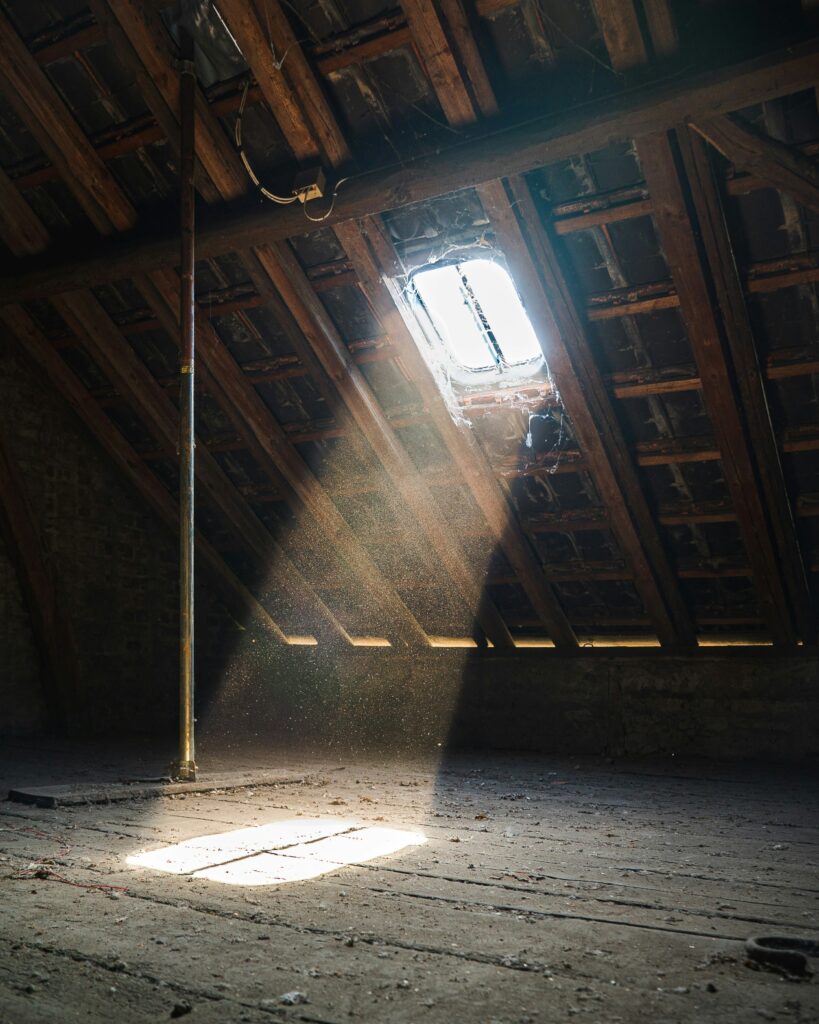
- Attics
- Basements
- Crawl spaces
- Utility rooms
- Behind furniture
- Inside shoes or clothing left on the floor
- Garages and storage sheds
Outdoors, they may hide beneath rocks, woodpiles, stacked lumber, or other undisturbed debris. A lot of the time, when someone has a bat infestation in their attic, they also have a brown recluse infestation as well. Most Kansas homes will have a lot of brown recluse within the attic area.
Common Myths About Brown Recluse Spiders
Myth: Brown recluse spiders are aggressive.
False.
Brown recluse spiders almost always try to avoid people. Most bites occur when the spider becomes trapped against someone’s skin, such as inside clothing, shoes, bedding, or gloves.
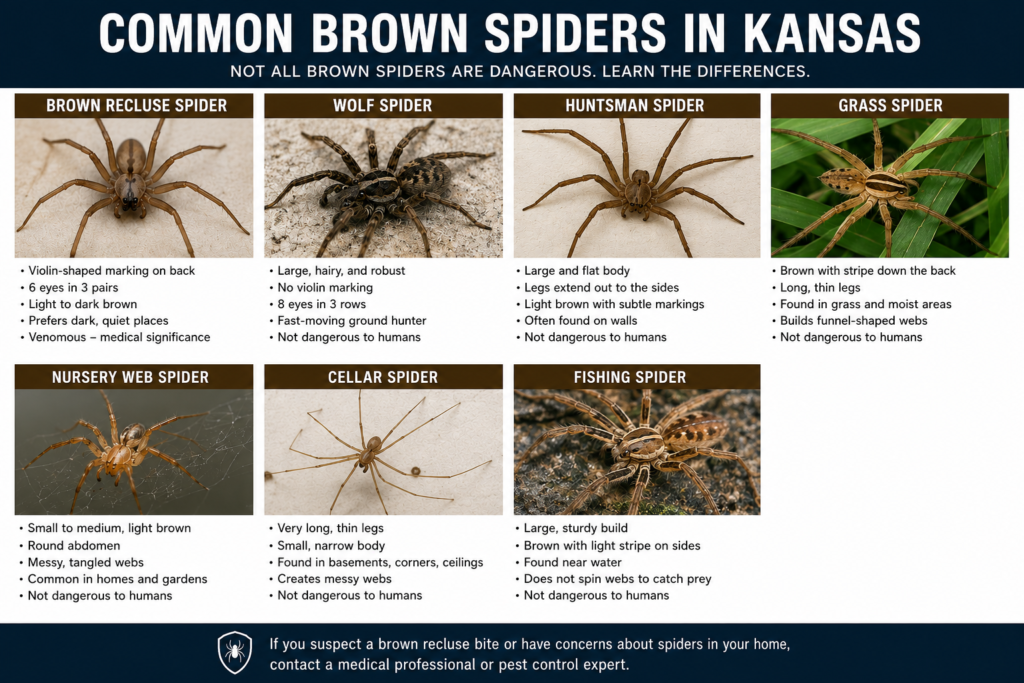
Myth: Every brown spider is a brown recluse.
False.
Kansas is home to many harmless brown spiders that are commonly mistaken for brown recluses. Proper identification is important before assuming you’ve found one.
Myth: Every bite causes severe tissue damage.
False.
While brown recluse bites should always be taken seriously, many bites cause only mild symptoms, and some suspected “brown recluse bites” are actually caused by other insects or unrelated medical conditions.
Signs You May Have Brown Recluse in Your Home
You may notice:
- Spiders appearing in storage areas
- Shed spider skins
- Egg sacs
- Spiders hiding inside boxes
- Increased activity during warmer months
- Spiders found in seldom-used rooms or closets
Unlike cobweb spiders, brown recluse spiders typically don’t build large, messy webs for catching prey.
How To Reduce Brown Recluse Activity
There is no way to guarantee a home will never have spiders, but these steps can reduce favorable conditions.
- Reduce clutter in storage areas.
- Avoid storing items in cardboard boxes for long periods.
- Shake out shoes, gloves, and clothing before wearing them if they’ve been stored.
- Seal cracks and gaps around doors, windows, and utility penetrations.
- Keep garages, basements, and crawl spaces organized.
- Reduce other insect populations, which serve as food for spiders.
When Should You Call a Professional?
Finding a single spider doesn’t necessarily indicate a serious infestation. However, repeated sightings, finding spiders in multiple rooms, or discovering egg sacs may indicate an established population.
A professional inspection can help determine whether the spiders are actually brown recluses, identify areas of activity, and recommend appropriate treatment options.
Frequently Asked Questions
Are brown recluse spiders common in Kansas?
Yes. Kansas is within the natural range of the brown recluse spider.
Are brown recluse spiders dangerous?
They can be medically significant if a bite occurs, but they are generally non-aggressive and prefer to avoid people.
Do brown recluse spiders climb into beds?
They typically prefer quiet, undisturbed hiding places. Most bites occur when a spider becomes trapped against the skin rather than actively seeking out people.
Can I get rid of brown recluse spiders myself?
Reducing clutter, sealing entry points, and maintaining good sanitation can help. However, recurring activity is often best addressed with a professional inspection and treatment plan.
Final Thoughts
Brown recluse spiders are a natural part of Kansas’ environment, but that doesn’t mean they belong inside your home. Understanding where they hide, how to correctly identify them, and what attracts them indoors can go a long way toward reducing unwanted encounters.
If you’re experiencing repeated spider activity or simply want peace of mind, a professional inspection can help determine whether brown recluse spiders are present and recommend the most effective course of action.
Need Professional Spider Control?
Whether you’ve found a single spider or are dealing with recurring activity throughout your home, Pest Five-0 provides professional spider inspections and treatment services throughout Central Kansas.
Think you may have brown recluse spiders? Contact Pest Five-0 today to schedule an inspection.