When Can Bats Be Removed in Kansas? Understanding Bat Maternity Season
Quick Answer
Bat removal in Kansas depends on the time of the year. During bat maternity season, may be unable to fly, which means excluding adult bats too early can leave pups trapped inside a structure. The best time for exclusion depends on the species present, whether young bats are active, and current wildlife management recommendations. If you suspect bats are living in your home or business, a professional inspection can help determine the appropriate timing for exclusion while protecting both your property and the bats.
What is Bat Maternity Season?
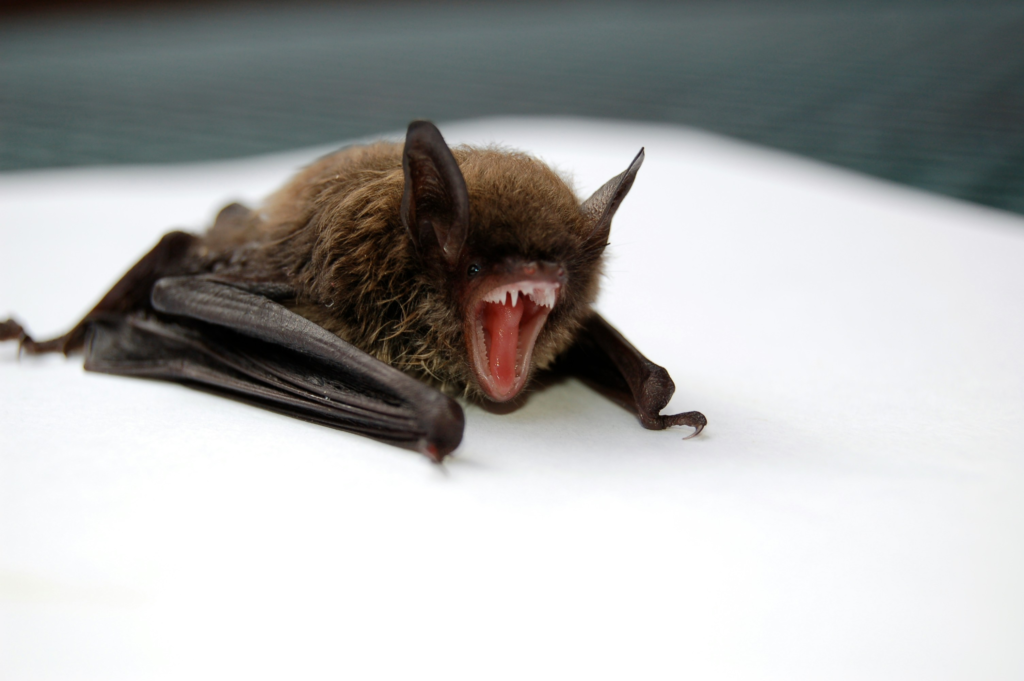
If you’ve ever heard someone mention bat maternity season, they’re referring to the time of year when female bats gather together to give birth and raise their young.
Think of a bat maternity colony like a hospital’s labor and delivery floor. Instead of each mother raising her pup alone, dozens—or sometimes even hundreds—of female bats gather in a safe location where they can give birth and care for their newborns together. Attics, barns, chimneys, wall voids, and other quiet structures often provide the warm, protected environment these colonies are looking for.
After birth, the pups remain completely dependent on their mothers. During the first several weeks of life, they cannot fly and rely on their mothers for warmth, protection, and nourishment. While the adult bats leave at night to feed on insects, the young bats stay behind in the roost until they’re physically capable of flying.
Once the young bats are capable of flight, a properly planned exclusion can allow the entire colony to leave safely while preventing them from returning.
Many professional wildlife control operators follow a simple phrase: “June & July, Let Them Fly.” While exact timing can vary depending on the bat species and local conditions, this guideline serves as a reminder to avoid excluding bats during the period when young pups may still be unable to fly. Waiting until the pups are capable of flight helps ensure the entire colony can leave the structure safely during the exclusion process. It also helps prevent young bats from becoming trapped inside, which can create unnecessary animal welfare concerns as well as odor and sanitation issues for the property owner.
At Pest Five-0, we evaluate each situation individually and perform bat exclusions at the appropriate time based on the conditions at your property and current wildlife management recommendations.
Signs You May Have Bats in Your Home
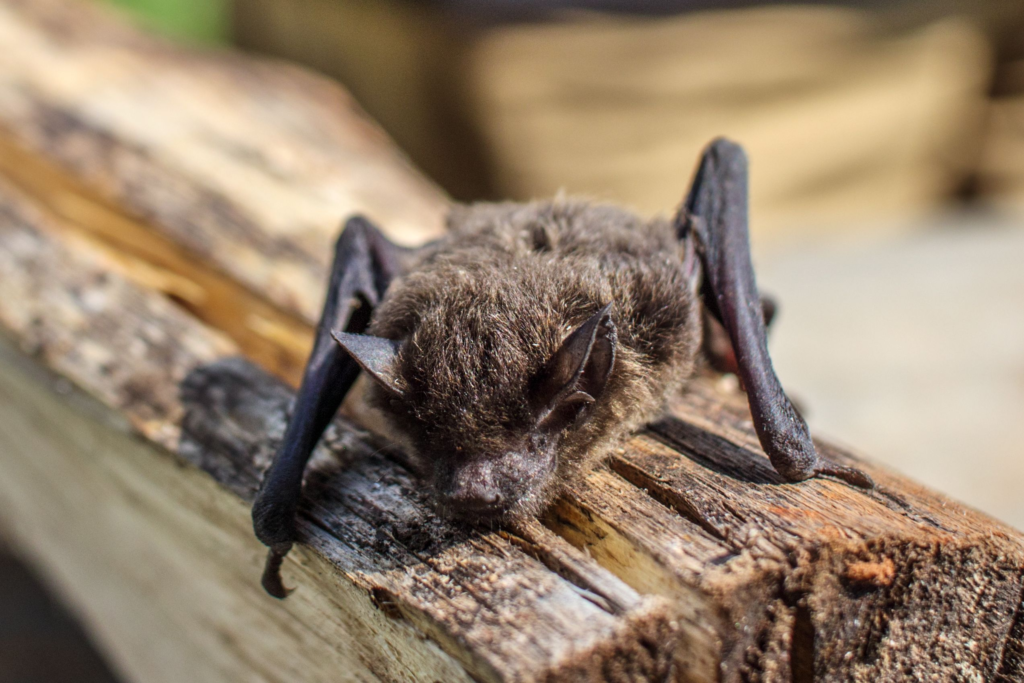
Most home and business owners don’t actually see the bats at first. Instead, they notice small clues that something is living inside of the structure. If you’ve noticed any of the following signs, it may be time to schedule a professional inspection.
Bats Flying Around Your Home at Dusk
Seeing a single bat flying outdoors at dusk is completely normal and is actually a good sign. Bats play an important role in the ecosystem by feeding on mosquitoes, moths, beetles, and other night-flying insects. In many cases, homeowners may never realize bats are living nearby because they’re active after sunset.
However, if you consistently notice multiple bats emerging from the same area of your roofline, soffit, chimney, or attic vents around dusk, there’s a good chance they’re using your home as a roosting site. Watching from a distance for several evenings can sometimes help identify a consistent exit point, but avoid attempting to seal or disturb the area yourself.
Chirping or Scratching Sounds
Bats are generally quiet, but maternity colonies can produce noticeable chirping or squeaking sounds, especially during the day when young pups are communicating with their mothers.
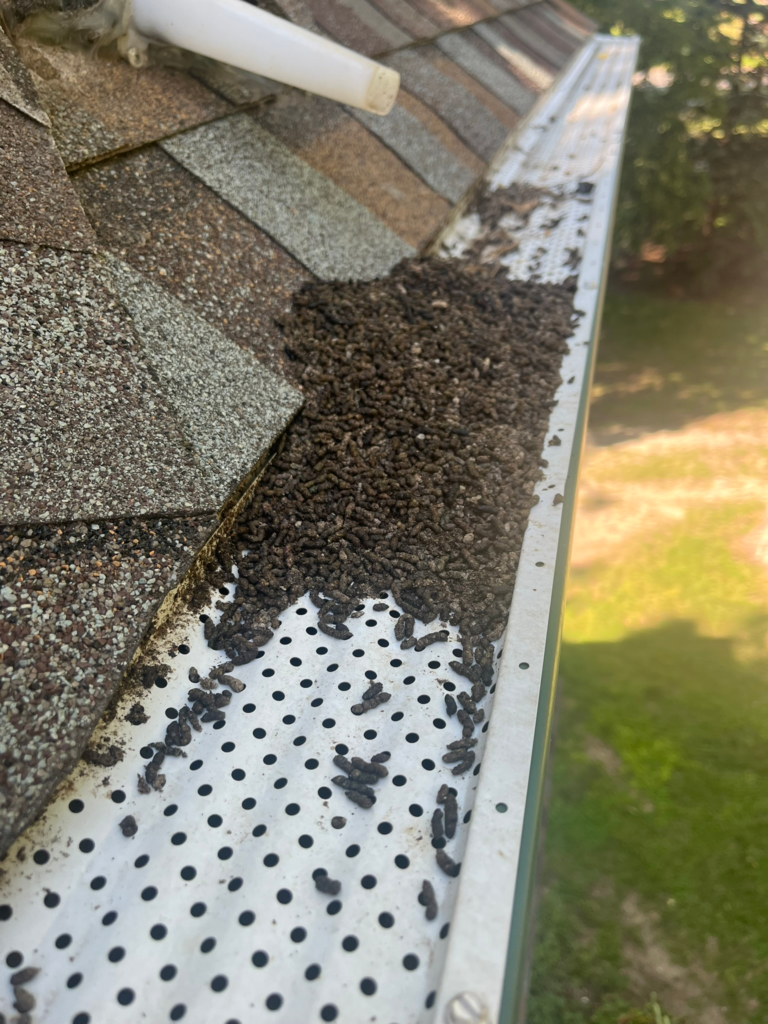
Bat Guano
Bat droppings, known as guano, often accumulate beneath entry points or inside attics. Over time, guano can create odors, attract insects, and contribute to sanitation concerns.
Dark Staining Around Entry Points
As bats repeatedly squeeze through the same openings, oils from their fur can leave dark, greasy stains around rooflines, vents, soffits, fascia boards, and other common entry points.
Strong Odors
Large colonies can produce a noticeable ammonia-like odor from accumulated guano and urine, particularly in attics or enclosed spaces.
Finding a Bat Inside Your Home
If you notice one or more of these signs, a professional inspection can determine whether bats are using your home, identify how they’re getting inside, and recommend the appropriate exclusion strategy based on the time of year.
Final Thoughts
Bats are an important part of Kansas’ ecosystem and provide tremendous benefits by helping control insect populations. However, when they move into homes, barns, or other structures, they can create health concerns, property damage, and sanitation issues that shouldn’t be ignored.
Understanding bat maternity season is one of the most important parts of responsible bat management. Proper timing helps protect young bats while ensuring a successful, long-term exclusion that keeps your home bat-free.
If you suspect bats are living in your attic, walls, or another part of your property, the first step is a professional inspection. Identifying the species, confirming active entry points, and determining the appropriate timing for exclusion can make all the difference.
Needing Professional Bat Removal in Kansas?
Whether you’ve noticed bats flying from your roofline, found guano in your attic, or simply aren’t sure what you’re hearing overhead, Pest Five-0 is here to help.
We provide professional bat inspections, humane exclusion services, and permanent wildlife exclusion solutions throughout Central Kansas. Our goal isn’t just to remove bats—it’s to help ensure they don’t return.
Ready to schedule an inspection? Contact Pest Five-0 today to get started.